
Why It Matters
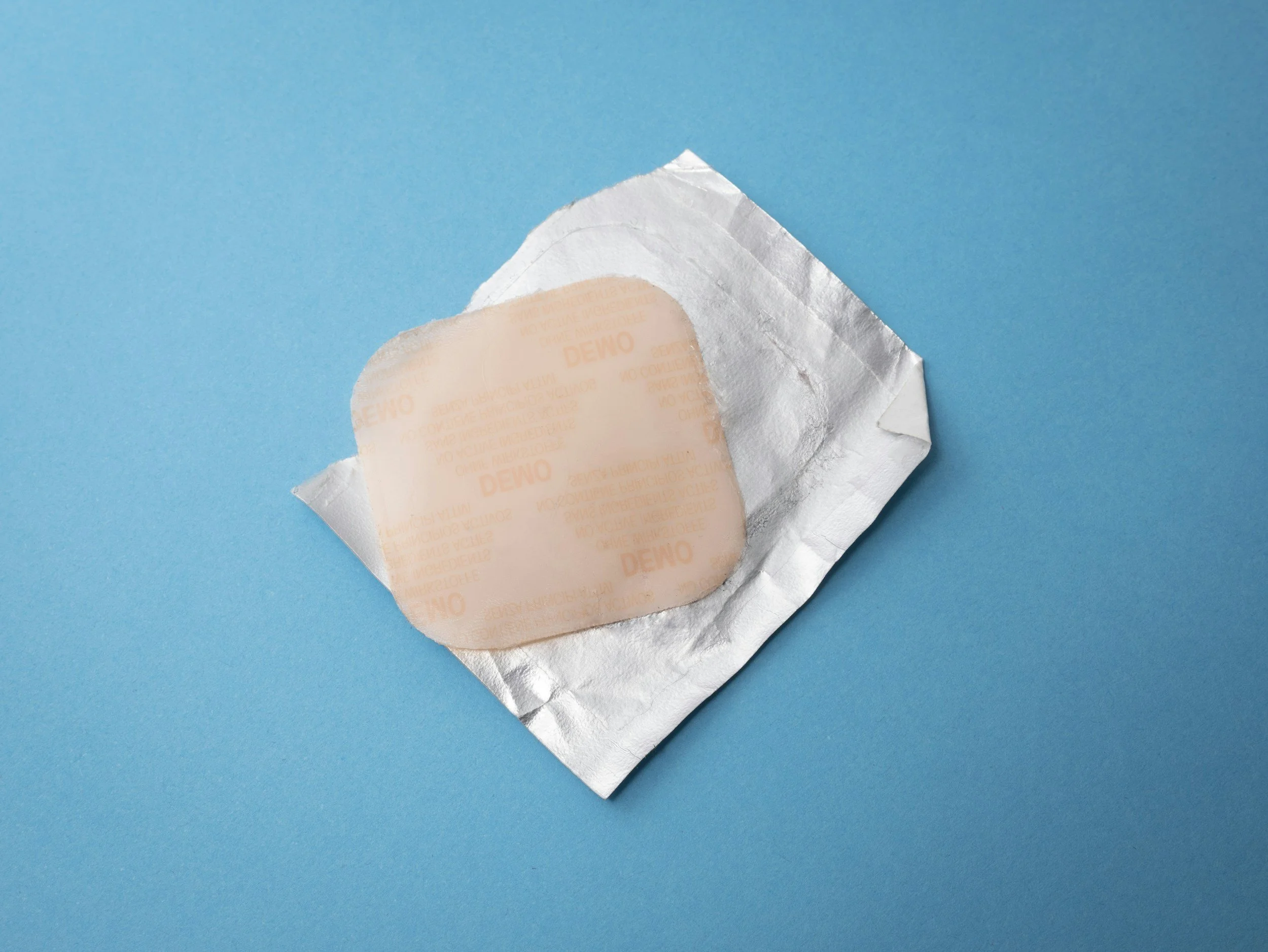
Most ADHD medications are taken orally, but transdermal stimulant patches provide another delivery option. Instead of being absorbed through the digestive system, medication is delivered gradually through the skin.
Two patches are currently approved in the U.S.:
Daytrana (methylphenidate transdermal system)
Xelstrym (dextroamphetamine transdermal system)
While less commonly prescribed than oral stimulants, patches offer some unique advantages in dosing flexibility and adherence.
What the Research Shows
Like other stimulant medications, both patches increase dopamine and norepinephrine signaling in frontostriatal brain circuits involved in attention and executive functioning. Clinical trials show that stimulant patches significantly improve ADHD symptoms, with treatment effects similar to oral stimulant medications. The main difference is the delivery system, not the medication itself.
Key Points / Practical Takeaways
Flexible duration of effect
The patch is usually worn for up to 9 hours, with effects beginning about 1–2 hours after application. Removing it earlier can shorten the duration of stimulant effects later in the day.
Helpful when pill-taking is difficult
For those who struggle to swallow pills, the patch can be a practical alternative.
Adherence advantages
Once-daily application and visual confirmation can simplify medication routines for some individuals.
Drawbacks to consider
Skin irritation at the application site can occur
Onset may feel slower than some oral stimulants
Cost and insurance coverage can be limiting
Systemic side effects are otherwise similar to oral stimulants, including decreased appetite, insomnia, headache, and mild increases in heart rate or blood pressure.
My Take
Transdermal patches aren’t typically first-line ADHD treatments, but they can be very useful in the right clinical context. The key difference is the method of delivery, which allows some flexibility in how long the medication lasts during the day. In my experience, patches are most helpful when pill swallowing is a barrier, when someone want more control over duration of coverage, or when it can be difficult to remember, e.g. “did I take my medication today?”. Like many ADHD treatments, the goal is not finding a single “best” medication, but finding the formulation that best fits a patient’s daily routine.
Sources
Findling RL, Dinh S. Transdermal Therapy for Attention-Deficit Hyperactivity Disorder With the Methylphenidate Patch (MTS). CNS Drugs. 2014;28(3):217-228. doi:10.1007/s40263-014-0141-y
Cutler AJ, Suzuki K, Starling B, et al. Efficacy and Safety of Dextroamphetamine Transdermal System for the Treatment of Attention-Deficit/Hyperactivity Disorder in Children and Adolescents: Results From a Pivotal Phase 2 Study. Journal of Child and Adolescent Psychopharmacology. 2022;32(2):89-97. doi:10.1089/cap.2021.0107
If you're seeking evaluation or treatment for adult ADHD in the Bay Area, learn more about our approach here.