
A patient in his 40s recently came in wondering if he had “developed ADHD.” Over the past year, he’d gained about 30 pounds after an ACL tear. Now he was struggling with focus, forgetfulness, and low energy—things he’d never dealt with before. The question wasn’t just what symptoms he had.
It was when it started.
Why This Matters
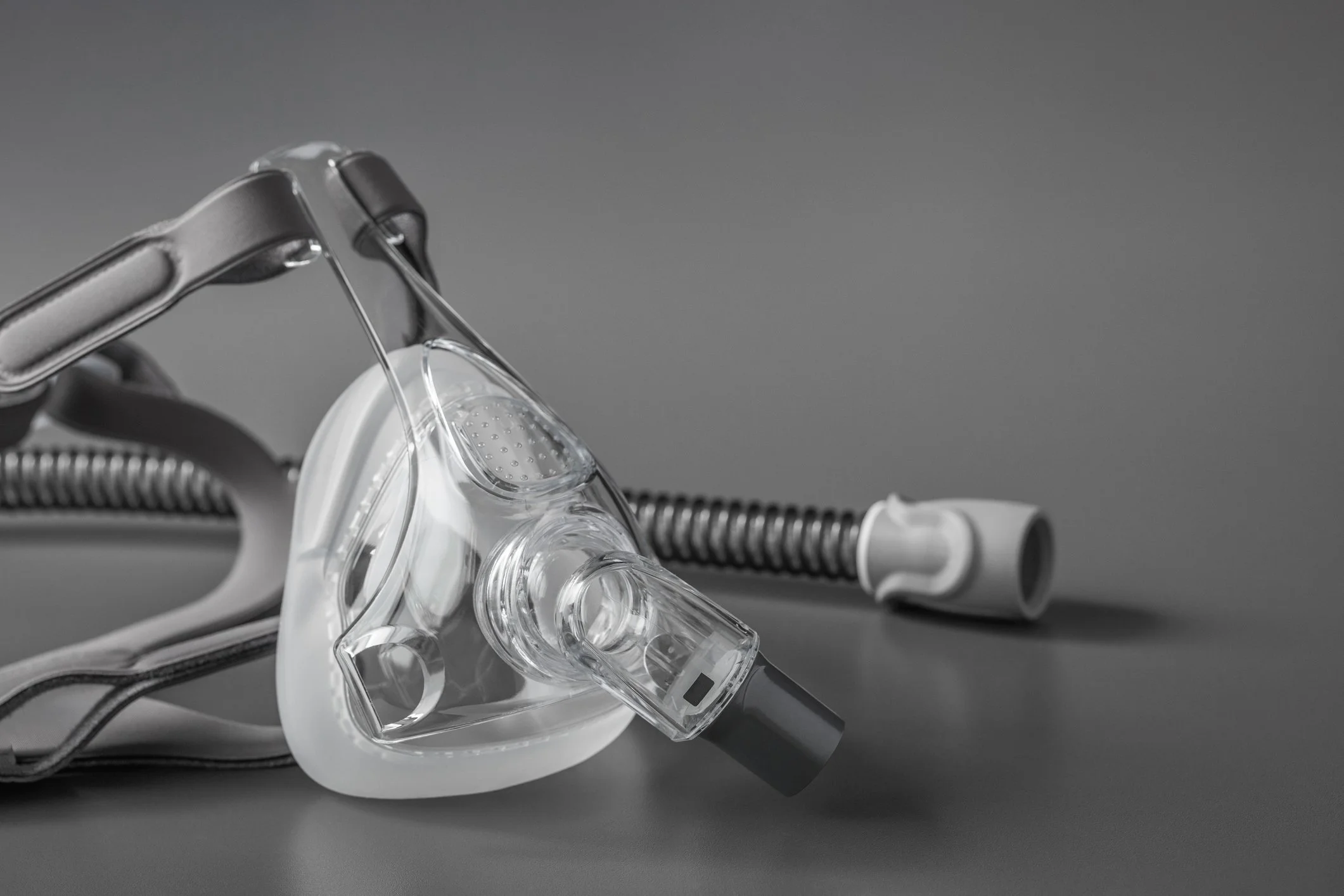
In adults, new-onset “ADHD-like” symptoms are often something else. One of the most common—and most missed—causes: obstructive sleep apnea (OSA).
The overlap is significant:
Poor concentration
Fatigue
Executive dysfunction
Irritability
In fact, OSA and ADHD can coexist in up to 50% of cases—making this even trickier.
Clinical Pearls: How to Tell the Difference
Think Sleep Apnea (OSA) when you see:
**Adult onset of symptoms**
Snoring, gasping, or witnessed apneas (often partner-reported)
Morning headaches or dry mouth
Weight gain or larger neck circumference
Cardiometabolic issues (HTN, diabetes, AFib)
Think ADHD when you see:
**Symptoms before age 12** (non-negotiable diagnostically)
Consistent issues across settings (work, home, social)
Chronic disorganization and task avoidance
Lifelong pattern (“I’ve always been like this”)
Family history of ADHD
The Most Important Question
When did this start?
ADHD is a neurodevelopmental condition; it doesn’t suddenly appear in your 30s or 40s. If attention problems begin later in life—especially alongside weight gain or snoring—OSA should be high on the list.
What the Research Shows
Treating OSA can significantly improve cognitive function:
CPAP therapy has been shown to improve attention, executive function, and daytime alertness
Some patients initially thought to have ADHD no longer meet criteria after OSA treatment
Untreated OSA isn’t just about feeling tired—it carries real medical risk:
3× higher risk of motor vehicle accidents
2–4× increased risk of stroke
Higher rates of hypertension, heart failure, atrial fibrillation, and type 2 diabetes
This is why getting the diagnosis right matters. Missing OSA doesn’t just delay symptom relief—it can have serious long-term consequences.
My Take
This is one of the most common diagnostic pitfalls I see in adult ADHD evaluations. There’s a strong tendency—especially in high-functioning adults—to attribute new cognitive struggles to ADHD. But true adult ADHD doesn’t emerge out of nowhere. When the story includes recent onset + weight gain + sleep disruption, I pause. Often, the issue isn’t attention—it’s fragmented sleep architecture.
The upside is huge: OSA is highly treatable. And in some cases, treating it can eliminate the need for medication altogether.
If you're seeking evaluation or treatment for adult ADHD in the Bay Area, learn more about our approach here.
Sources
Awadalla TO, Igwe O, Okeafor CU, Attarian HP. Improvement of Attention Deficit Disorder Symptoms After Treatment of Obstructive Sleep Apnea in an Adult: A Case Report and Mini Review. Journal of Clinical Sleep Medicine. 2024;20(5):825-827. doi:10.5664/jcsm.11034
Gottlieb DJ, Punjabi NM. Diagnosis and Management of Obstructive Sleep Apnea: A Review. JAMA. 2020;323(14):1389-1400. doi:10.1001/jama.2020.3514
Ivanov I, Miraglia B, Prodanova D, Newcorn JH. Sleep Disordered Breathing and Risk for ADHD: Review of Supportive Evidence and Proposed Underlying Mechanisms. Journal of Attention Disorders. 2024;28(5):686-698. doi:10.1177/10870547241232313